




Pochtovoe Presents Its Experience in Citizen Science Volunteering at the Volna Educational Programme
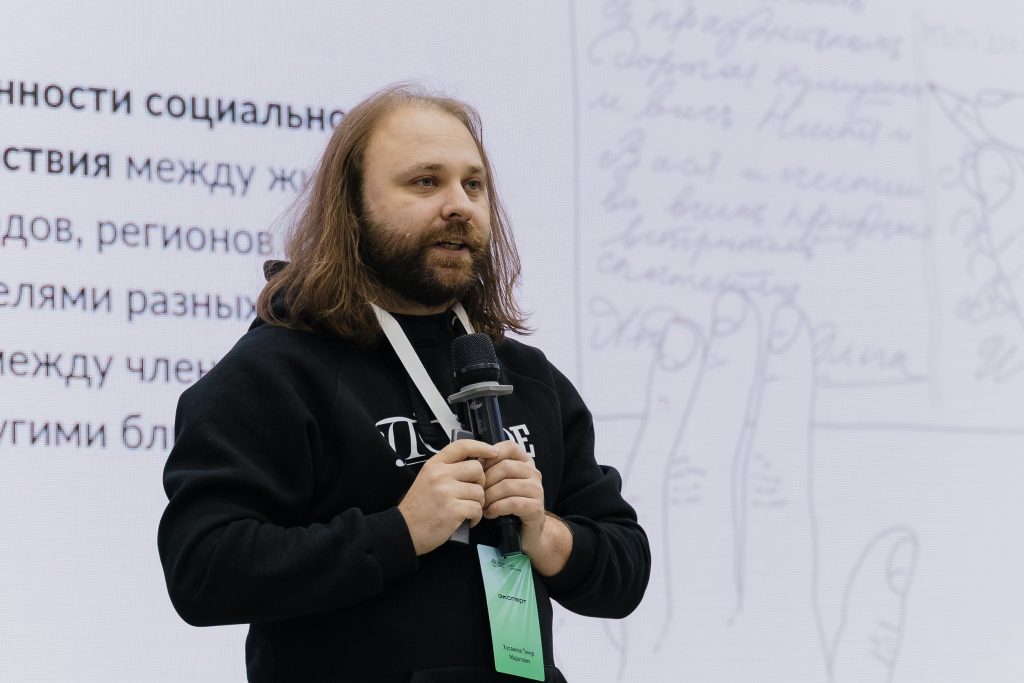
Timur Khusyainov and the Pochtovoe project have once again been invited to take part in the Volna educational programme on citizen science volunteering. This is the programme’s second year, and the second time its organisers have invited the project to share its experience of engaging volunteers in research on historical postal heritage. This year, Timur Khusyainov not only spoke about the project’s work but also led a hands-on workshop where participants learned how to decipher old postcards, build a digital archive, and create a map of postal heritage sites.
The Volna accelerator programme on citizen science volunteering has launched in Arkhangelsk, bringing together 130 young scientists and researchers aged 18 to 35 from 52 regions of Russia. Over three days, participants explore successful approaches to engaging volunteers in research, learn about the mechanisms for implementing research projects, and develop their own citizen science initiatives. The programme includes lectures, workshops, project presentations, panel discussions, and teamwork. Volna is organised by the Polyus Centre for Young Researchers.
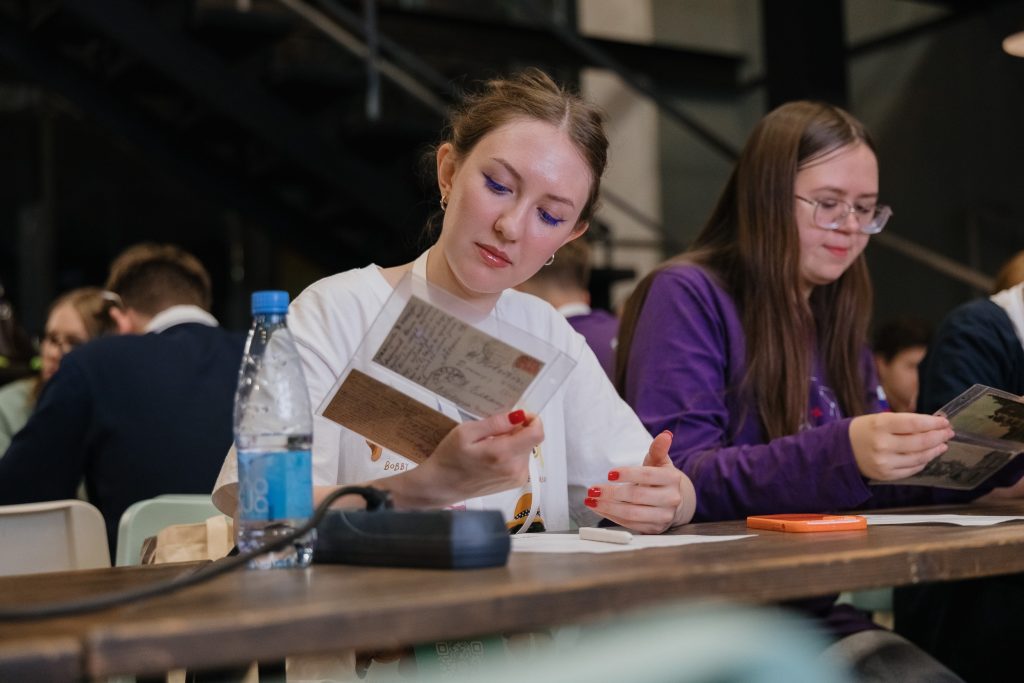
As part of the programme, Timur Khusyainov presented Pochtovoe‘s experience in organising scientific volunteering. Participants learned how volunteers can contribute to research involving historical postcards and help develop new scholarly and educational resources.
A separate practical session was devoted to a workshop on working with postal heritage. Participants tried deciphering texts on old postcards, learned how to select materials for inclusion in a digital archive, and explored approaches to creating a map of postal heritage sites.
The experience of Pochtovoe demonstrates how scientific volunteering can bring researchers and volunteers together to work with historical sources. Volunteer participation helps expand the geographical reach of material collection, engage new people in the study of cultural heritage, and develop tools that make research findings accessible to a wider audience.